

Erythrasma: Causes, Symptoms, and Treatment
Suspect you might have erythrasma? Don't ignore it! This condition doesn't just cause red, itchy, and burning skin if not treated correctly, it can lead to more serious infections and spread. So, what exactly is erythrasma, what causes it, and how can you treat it effectively? Let's explore the details in this article.
What is Bacterial Intertrigo?
Erythrasma (also known as bacterial skin fold dermatitis) is a skin infection caused by the bacterium Corynebacterium minutissimum. The condition typically appears in skin folds and areas with high moisture, such as the groin, armpits, between toes, and under the breasts.
Anyone can be at risk of erythrasma, but it is most common in adults and males. Particularly, individuals living in hot and humid climates have a higher likelihood of infection, as these conditions create an ideal environment for bacterial growth.

Causes of the Condition
Erythrasma typically occurs when the bacterium Corynebacterium minutissimum overgrows on the skin under favorable conditions such as:
- Hot and humid climates
- Excessive sweating
- Poor hygiene, failing to keep skin folds clean and dry
- Skin friction between skin surfaces or between skin and clothing, which can cause damage and create opportunities for bacterial invasion
- Individuals with diabetes, obesity, or weakened immune systems are at higher risk of infection

Common Signs and Symptoms
Erythrasma is often mistaken for fungal skin infections or common chafing, but it has distinct characteristics that are important to recognize for proper diagnosis and treatment. Below are typical symptoms:
- Pink or reddish-brown patches with clear borders and mild scaling
- Itching, burning, discomfort, and sometimes mild pain
- Dry skin surface that may peel slightly
- Under Wood's lamp (UV light) examination, the affected area glows with a coral-red fluorescence this is a key feature that helps distinguish it from fungal infections

Effective Treatment Methods
Most cases of bacterial or fungal skin infections can be effectively treated if symptoms are detected early and managed correctly.
A safe and widely trusted method to treat erythrasma is the use of topical creams containing ingredients that inhibit bacterial growth. It's important to ensure consistent and correct application according to instructions for a speedy recovery and to prevent recurrence.
If there is no improvement after using topical medication as directed, it is advisable to consult a doctor for examination and appropriate treatment recommendations.

How to Care For and Prevent Bacterial Intertrigo
Proper care and hygiene not only help in effective treatment but also prevent the condition from occurring. Here are some simple measures to "pocket" for protecting your skin from bacterial invasion:
- Maintain good personal hygiene: Bathe daily and thoroughly dry all skin folds.
- Wear breathable, moisture-wicking clothing and avoid tight-fitting clothes that cause skin friction.
- Limit exposure to hot and humid environments.
- Avoid wearing wet clothes and change immediately after exercise or heavy sweating.
- Manage your weight to prevent constant friction in skin fold areas.
Don't let erythrasma bother you! Early symptom recognition, proper treatment, and maintaining daily skin care habits will help you effectively manage the condition, prevent recurrence, and keep your skin healthy!

Discover Canesten
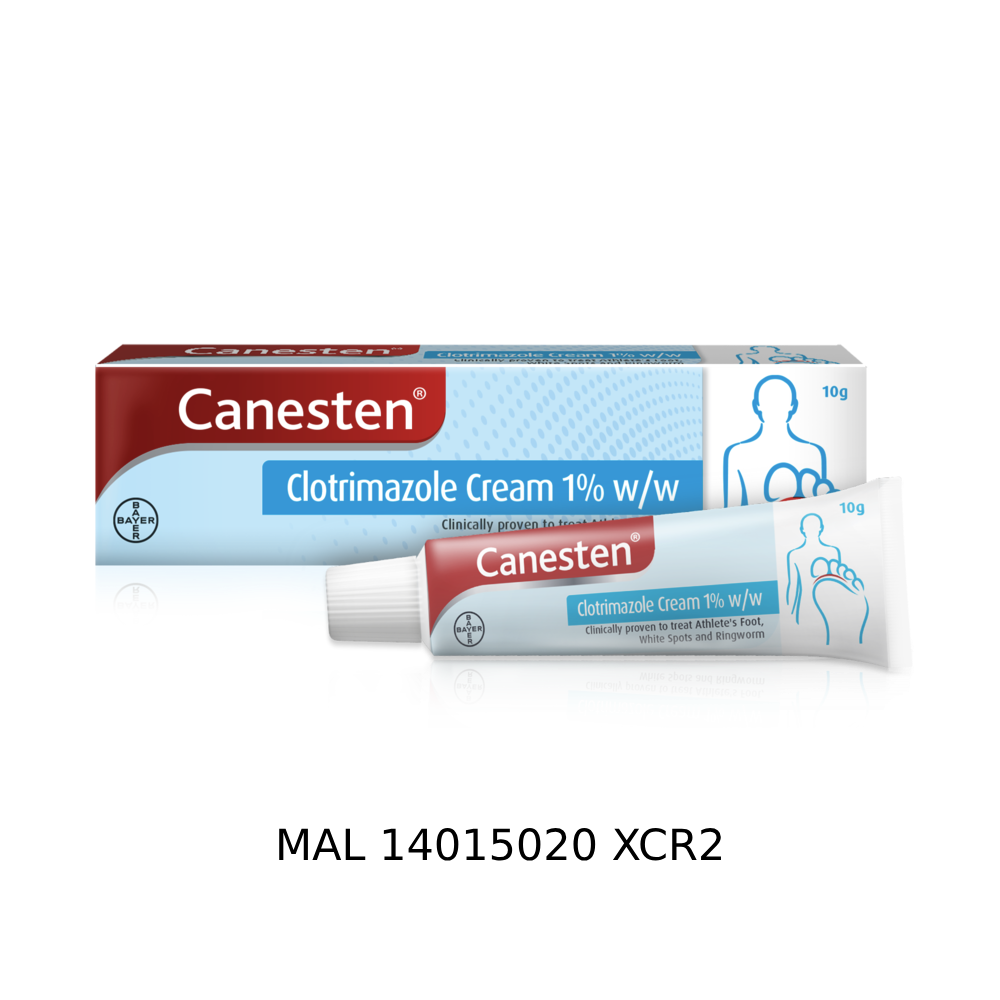
MAL14015020XCR2
This is a medicine product advertisement.
REFERENCES:
- Healthline: “What is Erythrasma?”. Available at: https://www.healthline.com/health/erythrasma
- National Library of Medicine: “Erythrasma”. Available at: https://www.ncbi.nlm.nih.gov/books/NBK513352/
- WebMD: “What is Erythrasma?”. Available at: https://www.webmd.com/skin-problems-and-treatments/what-is-erythrasma
- MSD Manual: “Erythrasma”. Available at: https://www.msdmanuals.com/professional/dermatologic-disorders/bacterial-skin-infections/erythrasma
Learn more about skin & foot health

Learn all about athlete’s foot
Learn about athlete’s foot is and how you can catch it. Find out about the symptoms of this fungal infection and how you can treat it. Discover tips on preventing athlete’s foot.

Everything to know about jock itch
Find out about jock itch and its causes. Learn about the symptoms, treatment options and prevention methods of a jock itch.

Understanding nail fungal infection
Fight the brittleness and thick discolouration of your toenails, which is caused by a nail fungal infection.

Facts about ringworm
Find out how ringworm spreads, its causes and who are most at risk of suffering from the condition. Learn about common ringworm symptoms, treatment options and prevention methods.

Find out more about sweat rash
Find out what a sweat rash is and its causes, and who are most at risk of suffering from the condition. Learn about the symptoms, treatment options and prevention methods of a sweat rash.
Practical tips for skin and foot hygiene
Find out how good hygiene practices can help you to avoid catching and spreading fungal infections.